

• Home
  • Service Hub page
    • 1-to-1 Sessions
    • Workshops
    • Team & Corporate
    • Projects
    • Corner of Creativity
  • Who We Are
    • Our Story
    • Our Impact
    • Annual Statement
  • Get Involved
    • Become a Member
    • Join Our Board
    • Volunteer With Us
    • Sponsor Us
    • Contact US
  • Stories & Resources
    • Blog
    • Gallery
    • Community & Partners 
  • Home
  • Service Hub page
    • 1-to-1 Sessions
    • Workshops
    • Team & Corporate
    • Projects
    • Corner of Creativity
  • Who We Are
    • Our Story
    • Our Impact
    • Annual Statement
  • Get Involved
    • Become a Member
    • Join Our Board
    • Volunteer With Us
    • Sponsor Us
    • Contact US
  • Stories & Resources
    • Blog
    • Gallery
    • Community & Partners 
DONATE
  • Home Page
  • What We Offer
    • Service Hub page
    • 1-to-1 Sessions
    • Workshops
    • Team & Corporate
    • Projects
    • Corner of Creativity
  • Who We Are
    • Our Story
    • Our Impact
    • Annual Statement
  • Get Involved
    • Become a Member
    • Join Our Board
    • Volunteer With Us
    • Sponsor Us
    • Contact Us
  • Stories & Resources
    • Blog
    • Community & Partners 
    • Gallery
DONATE
  • Home Page
  • What We Offer
    • Service Hub page
    • 1-to-1 Sessions
    • Workshops
    • Team & Corporate
    • Projects
    • Corner of Creativity
  • Who We Are
    • Our Story
    • Our Impact
    • Annual Statement
  • Get Involved
    • Become a Member
    • Join Our Board
    • Volunteer With Us
    • Sponsor Us
    • Contact Us
  • Stories & Resources
    • Blog
    • Community & Partners 
    • Gallery
DONATE
$0.00 0 Cart
  • Home Page
  • What We Offer
    • Service Hub page
    • 1-to-1 Sessions
    • Workshops
    • Team & Corporate
    • Projects
    • Corner of Creativity
  • Who We Are
    • Our Story
    • Our Impact
    • Annual Statement
  • Get Involved
    • Become a Member
    • Join Our Board
    • Volunteer With Us
    • Sponsor Us
    • Contact Us
  • Stories & Resources
    • Blog
    • Community & Partners 
    • Gallery
DONATE
$0.00 0 Cart
Calendar
May 2026
M T W T F S S
 123
45678910
11121314151617
18192021222324
25262728293031
     
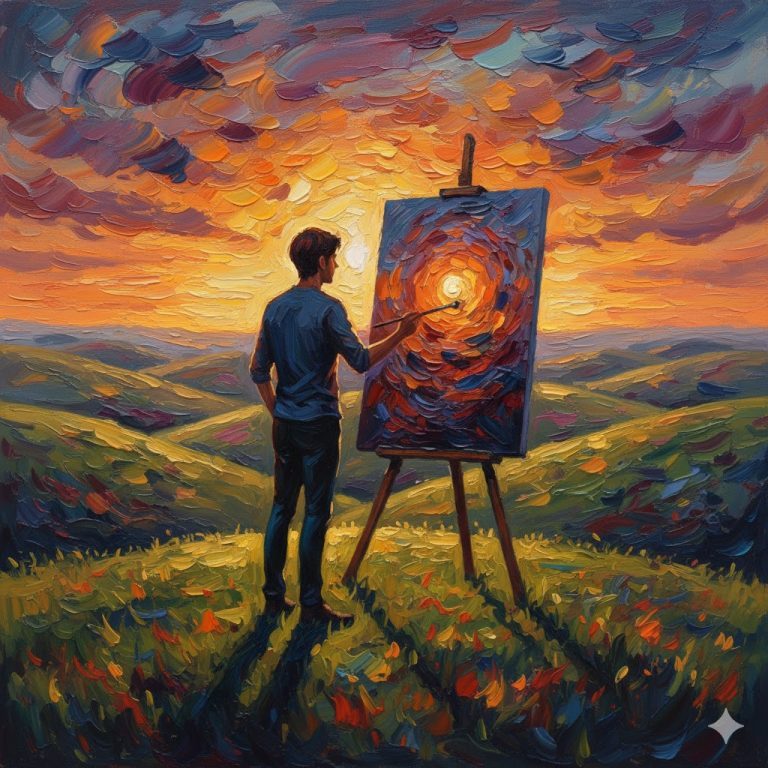
  • The Business and Practice of Art-Making in Society
  • Everyday Rituals as Creative Therapy
  • Reconstruction Quest
  • A Guide on How to Start a Creative Journal
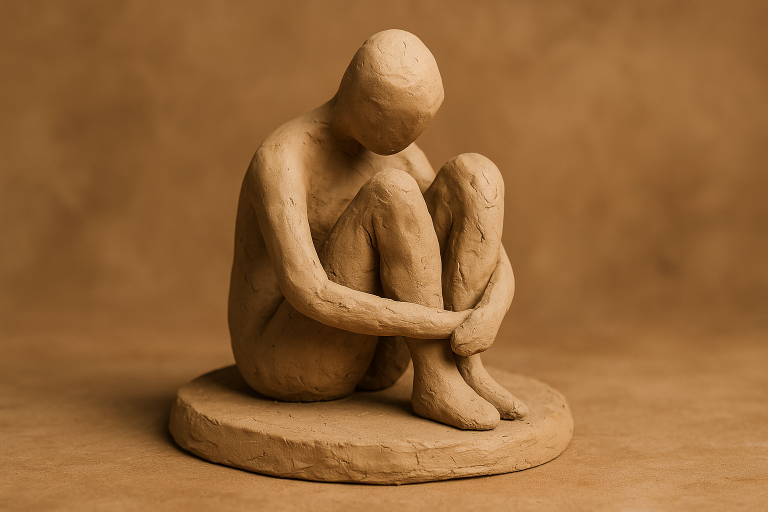
  • Clay Therapy: Exploring the Unconscious Mind
May 8, 2026

The Business and Practice of Art-Making in Society

This article is modified from a speech given during LOUD Art Society’s 10th Anniversary Gala

I started out advocating for the arts’ role in the healing process. Now I speak to art as a catalyst, for the sacred engine that empowers us to make sense and meaning of the world as we perceive it. The Foundation serves the community, teaching mental health literacy and supporting healthy brain development through arts and culture initiatives. Shifting the conversation from data designed to downplay the impact to language that highlights the benefits in relation to our humanity, economy, and health indexes.

We are limited by our imaginations, our experiences, and what we observe and learn. Yet, there are over 9 billion perspectives on this planet, representing 9 billion different combinations of experiences with love, family, money, the land, and society. No two are identical. This is the gift that we have. Through art and culture, we can witness a shared experience across time and space, across gender and ethnicity, and across diverse beliefs. We can feel seen and be seen. Feel heard and be listened to. And every time that we feel that recognition, our hearts soften a bit. We become more open to the possibility that life can happen for us, not to us. We see beyond the limits of the cages that contain us. As artists, none are better at capturing the possibilities that live on the horizon of what is. Because if we only focus on what’s in our hands, we miss the prosperity, community, and acceptance in our hearts.

From recently published research, Key findings from Artworks: The Economic and Social Dividends from Canada’s Arts and Culture Sector include:

  • The arts and culture sector supports 13 jobs for every million in output, which is more than oil and gas, manufacturing, or agriculture.
  • Since 2011, the sector has outpaced growth in key industries including oil and gas, wholesale trade, retail trade, construction, and manufacturing.
  • Economic impact is highest in Ontario, Quebec and British Columbia, supporting hundreds of thousands of jobs and over $100 billion in GDP.
  • The sector generates an estimated $17 billion in federal and provincial tax revenue.

You would think that in a world where artists present magnificent shows through their craft, the term performative would be more positive. However, our trust in the people who serve us is incredibly low.

Six in ten people say that political parties are divisive forces, the worst assessment ever in our tracking. Similarly, politicians are trusted by only 17 per cent of Canadians, mirroring the lowest score ever set in 2024.

Alberta residents show the lowest trust in almost all categories, from government to businesses to various leaders, including their own Premier.

67 per cent of Canadians believe government leaders mislead the public, while 62 per cent say business leaders do the same.

When we feel torn apart by a desire for stability, a need for safety, a dream of self-acceptance, art provides a way. To ourselves, to our loved ones, and to our sense of wellbeing. From the 2025 Quality of Life Report from Calgary Foundation, a majority agree that a strong arts and culture scene is key to creating a vibrant city, believe the arts help them appreciate other perspectives and cultures, think public art helps create a sense of belonging to their community, and think public art improves the quality of life for residents and visitors.

Art and culture are the charged elements that bring us together in a rhythm of exchanged signals. Signals that allow for emotion to flow, for identity to be discovered, for creativity to be inspired. For our stress levels to regulate, heart rates to sync up with each other, and to engage our compassion.

Common input synchronization is a process where systems or organisms exposed to an identical input respond similarly. People listening to a concert, for example, could experience a synchronization of their emotions.

Engagement in creative arts can be pursued as a personal hobby, in a classroom setting, or through a formal therapeutic intervention with a qualified therapist. Engagement can be active (creating) or passive (viewing, listening).

Research shows people engage with the arts in a variety of ways, sometimes reporting transformative experiences. When interacting with art one finds meaningful, the default mode network—a brain region associated with introspection—is engaged. Aesthetic experiences may promote positive outcomes such as empathy, social connection, and cross-cultural understanding.

Perceptions of Calgary’s arts and culture scene have improved, with nearly half of participants feeling that arts and entertainment options in the city are getting better.

When it comes to pursuing a creative career in Calgary, however, feelings are less positive. Only half of respondents think Calgary is a good place to be an artist, representing an 11% drop from 2022. While the arts are seen as beneficial to the city, individual artists and the artistic community may be feeling less supported.

Challenges don’t make us weak. Being different doesn’t make us less successful. Creative problem-solving and critical thinking are skills that are critical over the next wave of our growth as a society. Artists, writers, singers, poets, creators, musicians, filmmakers, animators, builders, and sculptors have honed these skills and can be exceptional leaders within our communities.

For those who know me from my work in the Art for Social Change and Arts-based Research fields, I advocate for artists as city-builders. Professionals who support nuanced and complex conversations, who face reality on reality’s terms, and can imagine potential scenarios for shared perspective and growth. From theatre companies brokering relations between corporations and towns to provide clean drinking water, to community-led festivals for justice and equitable rights, to exhibitions supporting academic research and health outcomes, we are seeing a new reality for art and culture.

Exposure to new ideas and experiences sparks neuroplasticity. Increasing neuroplasticity means the brain can better adapt and change in response to the environment, form new neural connections, and rewire pathways. Thinking creatively produces higher-quality content and healthier brains.

Let our work inspire each other.

The ultimate goal of my work is to humanize medicine from the inside out. I do this by supporting the flourishing of health professionals so they are able to provide the kind of humanized medical care that allows their patients to flourish.

Similar to being apart from nature, when we lose touch with art, we forget how and why art is meaningful or beautiful. We disconnect from ourselves and our humanity. Without the ability to craft or express, to reinforce, envision, and dream our identities, we are lost. The act of creation is an act of identity, reaffirming who and why we are. Reclaiming our identity and coming home to ourselves is the path to well-being. Being human and alive is an irrational, creative process.

This is why art matters.

Democracy is, at its core, a creative experiment. Artists and designers have always been central to this experiment. They make visible what is often overlooked. They reimagine the symbols and stories that bind us together.

This is why art matters.

With deep divides and polarization eroding civil discourse, we need the imagination and skills that artists and designers bring. They remind us that difference is not a barrier but a resource. Dialogue is not a weakness, but a strength.

This is why art matters.

Beautiful art can make magic happen, from opening hearts to taking action in courageous ways. It’s easier to feel brave when you’re dancing with others. It’s easier to explore challenging ideas when you’re creating something beautiful.

So let’s be brave and challenge the status quo. Create art to stimulate conversation around the imbalance in community infrastructure for arts spaces. We are tired of the hand-me-down supplies, donated materials, spare corners, and low rates of pay for teaching artists who support the quality of life in our communities. Publicity is important, but so is standing behind promises with tangible results.

We deserve purpose-built spaces and the respect of our neighbours. We deserve the effort required to validate our time and energy. We deserve to be seen for the socio-economic drivers that we are. Let’s empower our culture, our society, and our communities to appreciate art as an industry that moves us.

/ READ MORE
by admin
Uncategorized
May 8, 2026

Everyday Rituals as Creative Therapy

When we think about creativity, we often picture paint-stained hands, half-finished canvasses, or coloured pencils littered across a desk. While these forms of artistic expression are powerful, they can also feel intimidating, even unrealistic, when life is busy, overwhelming, or you’re just burnt out and don’t have the energy. To me, this is especially relevant right now, during finals season as the first semester of the school-year draws to a close before winter festivities can properly begin.

Not everyone has the time, energy, or space to sit down and “create” in the traditional sense. But what if creativity didn’t have to look like that? What if creativity already quietly lived in the things we do every day?

Why are we putting something as abstract and fluid as creativity and art into a box? Lately, I’ve been thinking a lot about everyday rituals and how easily we overlook them as outlets of creativity. For me, this tends to look like cooking meals I find online, rearranging my apartment, and even choosing colour schemes for highlighters when I’m studying. We tend to think of these activities as chores or tasks to get through, rather than moments of expression. That being said, when we purposefully slow down and engage with them intentionally, they can become forms of creative therapy; gentle, grounding, and accessible to even the busiest of people.

Cooking as a Sensory Reset

Cooking, in my opinion, is one of the most underrated creative acts. It’s sensory, embodied, and rooted in the present moment. I’ve always loved turning on some music in my headphones and meandering through the grocery aisles. Getting lost in the possibilities is such a massive part of creating art, and even something as simple as grocery shopping and meal planning involves this if you focus on that.

There’s something grounding about chopping vegetables, mindlessly stirring a pot, and tasting as you go. You’re using your hands, your senses, and your intuition, all at once.

From a mental health perspective, cooking has a myriad of benefits. To name a few:

  • It anchors your attention in the present moment, aiding in stress relief.
  • It provides a sense of control and accomplishment
  • It encourages mindfulness through engaging your senses such as smell, texture, and taste.

Even following a simple recipe can feel soothing when your thoughts are racing. And when you let yourself experiment, mixing spices, plating your food in a beautiful way, and adding ingredients you think might work well, it becomes less about productivity and more about creativity and play.

Cooking provides nourishment for your body, of course, but also for your nervous system.

Creatively Studying: Colour, Structure, and Control

I know what you’re thinking, and I get it! Studying is rarely thought of as a creative act, especially to those of us in school who oftentimes view it as a means to an end, but it can be!

Turning studying into a creative outlet, for me, often looks like choosing highlighter colour schemes, turning notes into mind maps, or organizing information in more visually aesthetic ways. Not only does this make overwhelming information feel manageable, but it’s a way you can fit creativity into your daily routine without feeling like you’re wasting your time you should be using to study.

Creative studying rituals can:

  • Restore a sense of agency during periods of academic stress
  • Improve focus and memory through visual organization
  • Encourage self-compassion through allowing flexibility in what learning looks like
  • Make academic work feel less punitive and more humane
  • Lower anxiety by making abstract information concrete and visible

I’ve always found something calming about deciding how information will live on a page. Colour-coding, drawing diagrams, making flow charts, and mapping out ideas all visually transform studying from tedious, passive consumption into relaxing, active engagement. It reminds us that learning doesn’t have to be rigid and look the same as everyone else’s to be effective.

To every girl who was made fun of for drawing extravagant note titles, carrying thirteen different Mildliners, and assigning a colour to every type of important information; I’m done pretending that joy, creativity, and intelligence can’t exist together.

Redecorating, Decluttering, and Reclaiming Your Space

Redecorating and decluttering is often framed as a tedious productivity task, but it’s also deeply emotional. Our spaces hold memories, stress, and identity. Changing them, even in miniscule ways, can feel like hitting a reset button.

Rearranging your space or letting go of items can:

  • Reduce anxiety and mental overload
  • Increase feelings of control and mental clarity
  • Support emotional regulation by intentionally creating calmer environments that “spark joy”, as Marie Kondo once said.

Choosing where things go, what stays, and what leaves is an act of self-definition. It’s saying to yourself, this space reflects me, not who I used to be or who I feel pressured to become. That’s a form of creative expression, whether we label it that way or not.

Creativity Doesn’t Have to Be Formal to Be Healing

One of the biggest, most unfortunate barriers to creativity, and even art therapy as a practice, is the belief that it has to look a certain way to count. That creativity requires time, talent, or training. But creativity isn’t about producing something impressive. It never has been. It’s about engaging with the world in a way that feels intentional and alive.

Everyday rituals remind us that creativity can be woven into daily life. They remind us that self-care doesn’t always mean bubble baths, facemasks, and bullet journalling; it can mean choosing music that matches your mood, allowing yourself to rest without guilt, or folding laundry slowly instead of rushing through it.

So if formal creative methods like sketching or sculpting feel out of reach right now, that’s okay. Start where you are. Let yourself slow down and see the creative potential in what you already do on a day-to-day basis. Because creativity doesn’t have to be loud, obvious, or polished to have therapeutic value, it just has to be yours.

Maybe healing doesn’t always come from making something new.

Maybe sometimes, it comes from noticing the art and creativity that’s already there.

/ READ MORE
by admin
Uncategorized
May 8, 2026

Reconstruction Quest

Reconstruction Quest is a deeply intimate memoir that explores the journey of living with a mind that works differently from the majority. Gerrard skilfully recounts his experiences with altered states, psychosis, and depression, offering a raw and honest reflection on the complexities of mental health. He shares insights into the power of self-talk and the profound impact that language has on our behaviour and self-perception. Gerrard acknowledges the delicate balance between acceptance and the pursuit of growth, while also examining personal responsibility, free will, and the ongoing challenge of self-improvement. Through candid storytelling, this memoir underscores the importance of perseverance, self-compassion, and community. Reconstruction Quest is both a source of inspiration and a compelling call for greater empathy and understanding in how we approach mental health.

John F. Gerrard is a multi-disciplinary artist and author who has trained as a peer support worker with the Canadian Mental Health Association. His artwork is featured in private collections around the world. Born and raised in Calgary, Alberta, Canada, John blends mental health advocacy with his art practice.

/ READ MORE
by admin
Uncategorized
May 8, 2026

A Guide on How to Start a Creative Journal

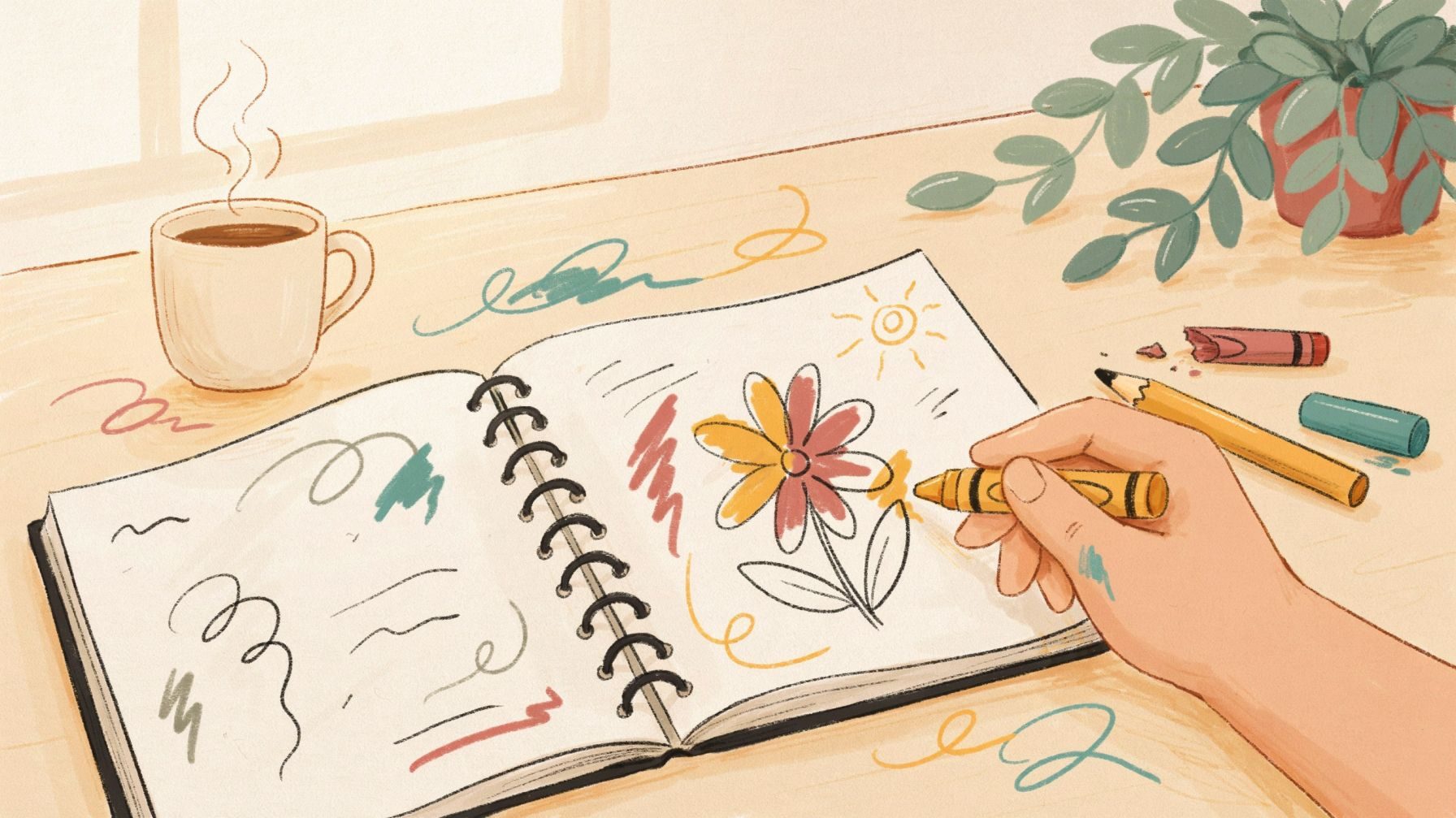
In a changing world with tons of noise, we all need somewhere we can simply be and become the creators of our own peace. One of my favourite methods for this, a personal safe haven, is my creative journal, which follows me around wherever I go. This blog post offers a step-bystep guide to creating an art journal, as well as some prompts for your own creative journey!

What is Creative Journaling?

Creative journaling is a method for expressing your feelings, thoughts, and experiences in a journal using a blend of artistic techniques such as writing, painting, drawing, collaging, and many more!

I personally have been journaling in this way for years and it has changed my life. To me, my journal is an escape from all the noise and is my own world where the sky is the limit. I am open to explore without fear, which has in turn positively impacted my artistic practice and mental health.

Benefits of Creative Journaling

  • creating art lowers your blood pressure and reduces stress
  • it is a practice of mindfulness and paying attention
  • helps build confidence as an artist by creating a space where you can express yourself
  • establishes a safe space where you can be yourself and express your ideas without fear

Getting Started: What You Will Need

The most important item you will need to start a creative journal is a notebook, sketchbook, or even a binder filled with paper. I also recommend a tool for mark making such as a marker, pen, or pencil. Everything else on this list is optional and is  entioned just to give you ideas. I personally love giving my local dollar store a visit to get most of these supplies, and they work great without “breaking the bank.”

  • markers, pens, pencils
  • paint brushes and sponges
  • glue sticks and tape
  • scissors
  • acrylic and or watercolour paint
  • stickers
  • ribbon, string, yarn
  • washi tape
  • magazines, books, newspapers
  • various types of paper with fun colours or textures
  • a camera

Creative Prompts to Get You Started

Now that you have all of your supplies, the most challenging part for many can be getting started. Below is a list of ideas for you to explore in your creative journal. Remember, you are the artist, so you have the choice to interpret these ideas however you please. There is no right or wrong way of going about this, but remember to have fun!

  • Decorate the cover of your journal using a variety of tools and mediums
  • Create a self portrait without portraying your physical self. Instead, use symbolism to create an abstract picture representing who you are
  • Find artists whose work resonates with you and your personal story. Create a piece inspired by that artist’s work
  • Make a list of songs that capture your feelings about a particular period of your life, a memory, or feeling. Listen to these songs when you need to connect to yourself and your emotions. Give this playlist a title.
  • Experiment with photography and tell a story using one image Write a poem about an experience that made you feel joy. Try again with other emotions, such as anger, sadness, or anxiety. Create a piece of art that goes with your poem.
  • Paint a picture without using a paintbrush.
  • Write a letter to your inner child. Create a work of art to go with it

Starting anything new may seem difficult or intimidating, but remember to trust the process, and above all, trust yourself! This process can be exciting and has the potential to change how you interact with the world, so have fun with it and be open to new possibilities!

/ READ MORE
by admin
Uncategorized
May 8, 2026

Clay Therapy: Exploring the Unconscious Mind

Whether it’s sculpting castles in the sand or forming animals out of playdough, our earliest experiences with art are often tactile. Before we ever hold a paintbrush or pencil, we’re instinctively drawn to squeezing, squishing, and shaping whatever soft, malleable material we can get our hands on. These early creative impulses aren’t just child’s play, they’re laying the foundational networks for imagination and self expression.

Interestingly, returning to tactile materials, especially clay, in adulthood holds powerful, transformative potential. The feelings stirred by working with clay may seem like simple nostalgia or a playful escape from the flatness of two-dimensional art, but in reality, the experience channels something much deeper. Because of its strong ties to early development, clay engages us on a primal level, grounding us and physically reconnecting us to our earliest days, a pre-verbal and instinctual phase of life. In doing so, it can unlock long-buried memories, reawaken sensory awareness, and surface emotions that may have been long suppressed.

Beyond its time-traveling qualities, working with clay often leads people to create symbolic representations of themselves, images that reflect hidden or unconscious parts of the psyche. Exploring these inner landscapes through form can feel safer than using words, especially when the emotions involved are overwhelming or difficult to articulate. Even when the resulting figures are abstract, strange, or unsettling, they offer a way to face thoughts and feelings we might otherwise avoid, even within ourselves. Ultimately, clay is more than just a creative outlet. It has a unique ability to bypass the mind’s usual filters, the intellectual and verbal defences that shape or suppress what we truly feel. It bridges the gap between past and present, bringing us back to our earliest ways of expressing and understanding the world, while offering a grounded, physical space to process what language often can’t reach. Whether used in therapy or personal exploration, clay has the power to ground, reveal, and heal. In its simple nature lies a profound ability to connect us to the most authentic parts of ourselves, making it not just an artistic medium, but a truly transformative one.

/ READ MORE
by admin
Uncategorized
May 8, 2026

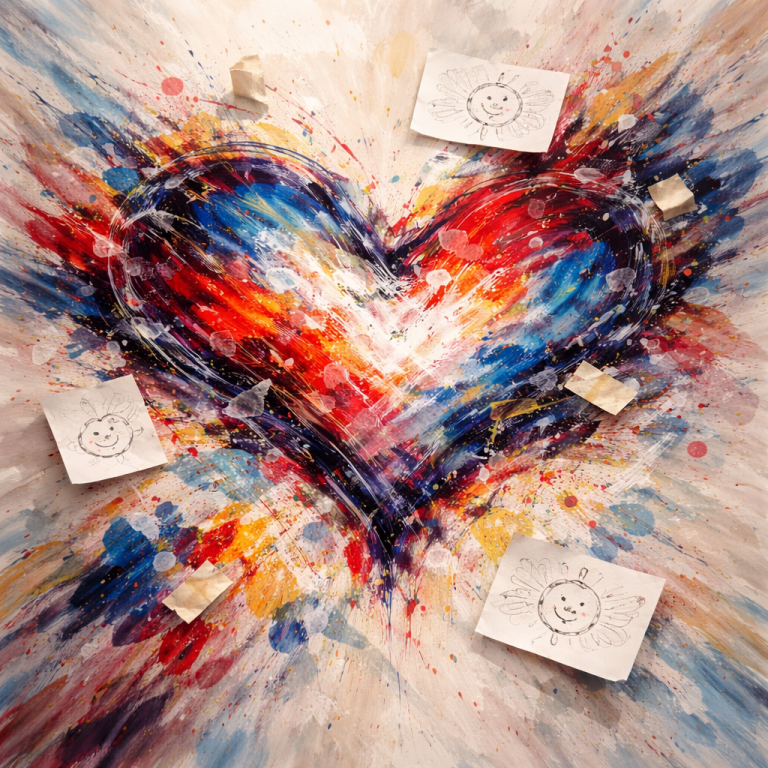
The Power of Imperfection

The most damaging belief you can carry into your creative process is that everything you make has to be perfect. That it must be beautiful, polished, worthy of being displayed. But creativity isn’t about perfection, it’s about honesty. Maybe you’ve had a hard week, and all you want is to sit down and let it out on a canvas. But then you’re faced with the intimidating blank page, and suddenly, starting feels harder than whatever you’re trying to process.

Here’s the truth: everyone who’s turned to art for expression has felt this exact resistance. So what’s the difference between those who manage to create anyway and those who stay stuck?

They start.

That’s it. No magic. No secret. Just the willingness to begin, even if it’s messy, awkward, or emotional. Because the power of art doesn’t come from the outcome. It comes from the courage to create something imperfect. And sometimes, that’s more healing than anything else.

We are our own worst enemies. It’s so easy to get in your head and compare what you’re able to do with everyone else. That being said—how are we supposed to improve and more effectively express ourselves and channel our feelings into healthier outlets if we never begin? This isn’t to say all perfectionism is bad—it can be extremely helpful in certain areas—but creatively, it tends to halt us and that leaves us in a place where we’re unable to actually reap
the benefits that creative expression holds. This unrealistic idea that everything we ever create needs to be the best thing we’ve ever made or that it needs to be just as good as what everyone else is doing instills a fear of failure in us. It makes us feel as though we must not be good
enough. This fear or anxiety stops countless people from ever starting creative projects out of fear that they won’t get as much out of it as people who may be more creatively inclined. The trick, however, is that creativity actually requires experimentation and mistakes. We’re human, it’s the only way we’re really able to learn and discover what works best for us.

Creative expression is one of the most powerful tools we have. Whether you’re trying to manage stress, sort through big feelings, or just let something out when words don’t quite work, making something with your hands can shift everything. And the best part? You don’t have to be “artistic” to feel the benefits.

We see this so clearly in pediatric hospitals, where kids facing chronic illness turn to drawing, painting, and crafting as a way to cope. These programs don’t focus on making something perfect, they focus on helping kids feel. The goal isn’t to create a masterpiece, it’s to create anything that helps express what’s going on inside.

This kind of creative outlet reminds us that it’s not about being a “good artist.” It’s about what creating does for your heart, your mind, and your soul. When life feels overwhelming, creativity gives us a place to pause, process, and just be ourselves.

One of the biggest blocks to creativity is the belief that everything we make has to be “good.” But here’s the truth: art isn’t a performance — it’s a process. If you’re struggling with perfectionism, start small. Doodle in the margins, rip up old magazines and make a messy collage, write a sentence that makes no sense and just go from there.

Try having a “bad art” day, seriously. Make something intentionally silly or ugly. The point is to remind yourself that creating can be fun, light, even a little ridiculous. Shift your mindset: this is play, not a test.

Practice being kind to yourself while you create. Not every brushstroke or sentence has to mean something profound. Sometimes the most healing thing you can do is let your inner child come out and make something just for the joy of it, no pressure, no judgment, just play. Because sometimes, the most beautiful things are born from the parts of us we’ve tried to hide, especially the messy ones.

/ READ MORE
by admin
Uncategorized
May 8, 2026

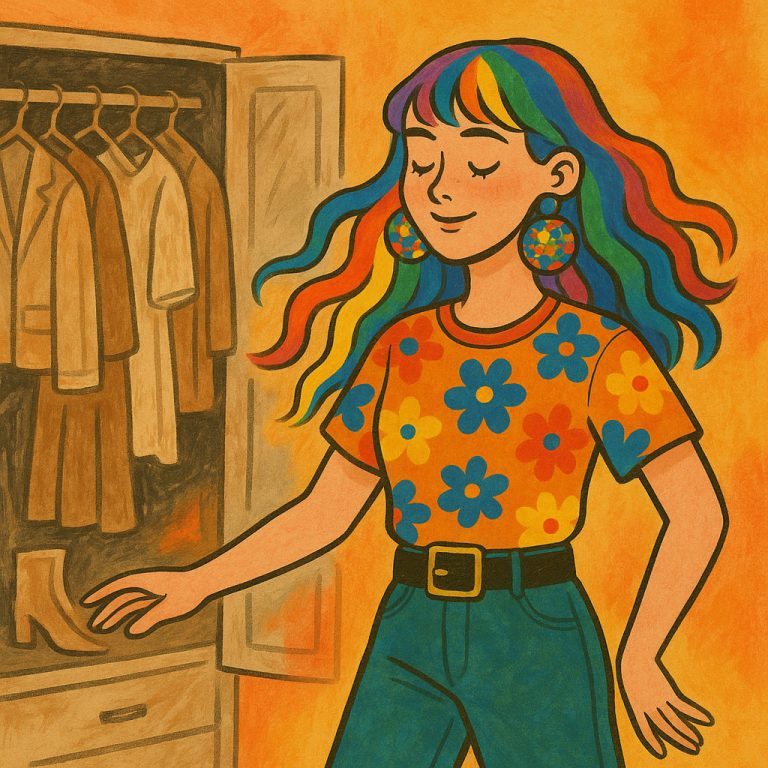
Is Your Closet Built from Other People’s Opinions?

Last year, while scrolling through Instagram, I had a sudden realization – I hated my closet. This wasn’t because I didn’t have enough clothes or they weren’t trendy enough – in fact, my closet was overflowing – but because none of them felt like me. My entire closet reflected ideals I’d absorbed through various forms of social media – I needed to look skinnier, more interesting, more “put together”. All of which I believed would make me more palatable and easier to like.

Fashion is meant to be an outlet for creativity and joy – yet somehow, it became a mirror reflecting
everything I believed I wasn’t.

I remember dreading the return of low-rise jeans. I’d miss my baggy pants – the way they allowed my body to feel like a suggestion, not a spotlight. For some reason, I hadn’t even stopped to realize that I didn’t actually need to partake in these trends.

Growing up, (especially as a teenager), clothes were never just clothes. They were forms of silent judgement. When jean shorts stopped fitting after winter, it didn’t just mean I’d grown – it meant, in my mind, that my body was wrong. Crop tops were trophies for perfectly flat, toned stomachs. A way of showcasing you must’ve been on a treadmill for hours or hadn’t decided to peruse the grocery shelves and picked up a brownie instead of a fruit cup. Anything I put on my body when I was younger was a direct result of trying to convey a message to my peers. This wasn’t just my inner voice – it was school hallways, magazine headlines, and countless influencers on my For You Page with impossibly flat stomachs and expensive athleisure that always seemed to fit their bodies exactly.

Our generation has had more access to the world than ever before – and while this can bring a multitude of good things such as better education and worldly awareness, it can also lead to us feeling trapped in our own skin when we’re fed thousands of videos of people with bodies we wished we had. Even trends like the “clean girl” aesthetic make us feel like we’re somehow failing.. It’s difficult to remind yourself that not everyone is actually fortunate enough to wake up at 6am and start their day with an unnaturally green smoothie and an expensive pilates workout. It makes us feel as though we are the ones doing something wrong. The pressure to look “effortlessly perfect” and fit in with those surrounding us, especially over the internet, can become all-consuming. The generation of teenagers currently have the highest rates of body image issues, even in the face of the “self love” movement. Taking small steps towards reclaiming our identities and self-perception is the key to moving in a positive direction regarding body-image and self-appreciation.

But here’s the twist: I decided to stop letting fashion dictate how I should feel about myself – not by changing my body, but by reclaiming style as something playful, expressive, and mine. Fashion standards may impact mental wellbeing, but creativity has the power to flip the script and put us back in charge of our perception of ourselves.

Growing up, I spent most of my childhood wearing princess dresses sewn by my grandma and cutting my own hair. The first time I’d decided to reject the standards around me was when I’d made the decision to dye my hair various shades of the rainbow throughout highschool. That was the first decision I’d ever made because I liked it rather than thinking everyone else would find it appealing. I couldn’t believe making a decision because I wanted to would bring me so much joy – I felt oddly powerful.

Creative expression, whether this is in the form of choosing patterns you like, dying your hair an unnatural colour, or wearing bolder colours than is considered “socially acceptable”, has infinite benefit. Studies have shown that creative expression, especially in fashion, is linked to reduced anxiety and depression, improved self-esteem, and an increase in positive body image. Our bodies should be viewed as a canvas, not a cage. Once I discovered this, I spent hours delving down the rabbit hole of Pinterest, curating inspiration boards for things that felt like me rather than what was currently trendy. I never thought of fashion as a creative outlet, but I soon realized that embracing brighter colours, distinctive belt buckles, and unique patterns was the key to feeling more like myself in my own skin.

So if you’ve ever looked in the mirror and hated what you saw – try inventing your own rules. Walk into a secondhand store and let yourself gravitate toward the sequins, the loud prints, the pieces that make you smile for no logical reason. A weird accessory. A pair of pants that make you feel like you. Dress not for approval, but for joy. You don’t owe anyone an explanation. The first step is seeing fashion not as a way to conform, but as a way to speak – to say, this is me. Remember, our bodies aren’t cages – they’re canvases. And you’ve always been enough.

What if fashion wasn’t about fitting in, but about breaking free? Maybe the most radical thing we can do is dress for ourselves – joyfully, unapologetically, and without permission.

/ READ MORE
by admin
Uncategorized
May 8, 2026

Petals and Purpose: The Relationship Between Nature and Creativity

In Calgary, where winters stretch on for seemingly forever and unpredictable weather surrounds us, staying connected to nature can be a challenge. That being said, nurturing this connection is becoming increasingly crucial for mental well-being. Being present in the natural world doesn’t have to be this long-winded activity and can be as simple or immersive as desired. The benefits of immersing yourself in nature can come from a range of experiences — from simply observing and strolling through green spaces (like the Devonian Gardens on the top floor of the Core Shopping Centre!) to more hands-on practices like tending to a garden.

The different kinds of activities engaged in bring different benefits. For example, simply observing a garden and immersing yourself in a green space tends to help lift mood, while engaging actively in activities like gardening or flower arranging helps encourage mindfulness, physical health, and creativity. These kinds of practices have been coined Therapeutic Horticulture.

Physically, gardening helps provide a relatively stress-free form of exercise, helping support mobility and reduce stress. This can be an extremely effective form of exercise for those with limited mobility or older groups that are looking for a new, innovative way to stay more connected to both their bodies and minds. Activities like gardening or flower arranging also tend to come with a sense of community and opportunities to connect with others in lower stress environments through engaging in a shared activity. The more intensive forms of therapeutic horticulture like gardening have also been shown to significantly help provide purpose to the lives of older individuals who live in care homes or chronically ill and disabled individuals who may spend significant amounts of time in spaces like hospitals.

While initially we may not think of flower arranging as a standard artistic practice, the process of selecting colours, shapes, and textures when doing an activity like this mirrors several other artistic practices that we know and love in the therapeutic settings. These practices offer a gentle, restorative, holistic path to healing — and a way to cultivate resilience and joy through being physically present in nature.

The real beauty of these practices lies in their accessibility. The activities can be adapted to suit the needs of such a wide range of people and can be used in combination with other forms of therapeutic practices. Whether tending to a backyard garden, arranging fresh flowers from a market, decorating a windowsill with plants, or drying out an old bouquet of flowers to liven up a living space, these kinds of small acts connect us more physically to nature and the world surrounding us — helping us be a part of something larger than ourselves.

Through fostering community gardens—or encouraging people to create green spaces at home—we can help further bridge the gap between artistic expression and mental wellbeing. In Calgary, where the landscape may not always feel like it cooperates, these practices remind us that growth, restoration, and beauty are always within reach and often, right at our fingertips.

/ READ MORE
by admin
Uncategorized
May 8, 2026

Exploring the Art of Brendan O’Callaghan

Journey Through Resilience and Healing

Brendan O’Callaghan, a Canadian artist based in Calgary, Alberta, invites viewers into a world of hyperrealistic, surreal landscapes that echo his deeply personal journey of healing and self-discovery. His art is a testament to the human spirit’s resilience, shaped by life’s adversities and triumphs.

Early Beginnings

Brendan’s artistic journey began at the age of fourteen, when he first picked up oil paints to create still-life compositions. These early explorations earned him acceptance into the Alberta University of the Arts, where he expanded his creative repertoire into video art. Graduating with a Bachelor of Fine Arts in Media Arts, Brendan’s passion for storytelling led him to further his education at the Toronto Film School, where he earned a diploma in video production. Despite his ventures into media arts, the allure of oil painting ultimately brought him back to his first love, where he has since dedicated himself to refining his unique artistic style.

Art as a Narrative of Healing

Brendan’s work delves into hyperrealistic, surreal landscapes that are both visually arresting and emotionally profound. Each piece serves as an introspective exploration of his life experiences, particularly his journey as a childhood cancer survivor. Through meticulous detail and vivid imagination, Brendan transforms the canvas into a medium for confronting and understanding the complexities of trauma, grief, and healing.

“Weathered By Past Storms”

In his exhibition Weathered By Past Storms, Brendan explores themes of adversity, resilience, and personal growth. The series draws heavily from his life experiences, from surviving Leukemia as a child to navigating the emotional aftermath of divorce, career transitions, broken friendships, and addiction. Each storm—literal and metaphorical—represents the raw, complex emotions tied to these challenges.

Brendan’s use of storms as a central metaphor reflects the invasive nature of trauma on the mind and body. Yet, his art is not merely a documentation of pain; it is an active confrontation. Through painting, Brendan gains self-awareness and the strength to pursue new opportunities, fostering a continuous journey of growth and healing.

Looking Ahead

As Brendan continues to evolve as an artist, his ambition remains clear: to become a full-time professional painter. His work is not only a celebration of his resilience but also an invitation for others to find solace and inspiration in the transformative power of art. Through his surreal, hyperrealistic landscapes, Brendan O’Callaghan offers a window into his world—a narrative of survival, introspection, and the enduring pursuit of self-discovery.

Visit the “Weathered By Past Storms” exhibition at the Jon Fluevog shoe store in Calgary at 207 8 Ave SW, Calgary, AB T2P 1B7.

The exhibition will be open until the end of January 2025.

Brendan O’Callaghan has generously donated 25% of the proceeds of his sold artworks in this exhibition to LOUD Art Society’s cause.

/ READ MORE
by admin
Uncategorized
May 8, 2026

The effects of Community and Connection on Mental Health

What a wonderful Autumn it was here in Calgary, Alberta! If you’re familiar with the weather here, you can understand the fickle nature of living in the Foothills. With the holiday season just around the corner, this can be a season with a multitude of emotions and festivities. For some, the holiday may be celebrated with friends, family, neighbours, and loved ones. For others, this can be a time of severe loneliness and isolation. With challenges such as disabilities, SADS, depression, addiction, shelterlessness, and access to mental health support, individuals don’t have community or connection to spend time in. Lack of community and therefore connection has been proven to increase the negative impacts of these challenges, while a sense of community has been proven to minimize these impacts and create lasting results for stronger mental health.

Johann Hari is a journalist who delivered a TedTalk in 2015 about this specific concern. He directly links addiction to an inadequate sense of community and connection; however, it is safe to say that many of the mental health challenges people face could be rectified in the same manner. Find the link to this amazing talk at the end of this blog entry. An 18-minute listen is worth every second!

Let’s list a few examples of what community and connection can look like!

  • Neighbourhoods
  • Sports
  • Spiritual
  • Culture
  • Arts
  • Volunteer

These are only just a few that come to mind, and I know there are many more. Specifically addressing the Arts as a community: How can mental health issues be addressed within our community to treat the issues we face?

I think first we need to look at the barriers preventing people from accessing the community.

  • Accessibility – Being able to physically participate
  • Motivation – Feeling overwhelmed, fear of failure, fear of rejection
  • Money – Not having the ability to contribute to the community
  • Transportation – Complexities of arriving at the community within best timing

Would it seem that if we could minimize the barriers, more individuals would access the Arts community? With such things as programs, museums, group discussions, and community arts events (theatre, paint night, craft days, art exhibitions, etc.), the barriers should be addressed. By doing so, individuals can have the opportunity to build community and connection for themselves, and in turn, can positively impact their mental health.

At LOUD Art Society, these barriers are addressed by providing low-cost or free programs both in person and virtually. Their programs focus on positive psychology, mindfulness, and art therapy to create a supportive environment. In addition, they also partner with different communities to bring art to where it is most beneficial. In Calgary, AB, here are a few examples of how these types of barriers are being addressed by other organizations to foster an inclusive community!

Accessibility – Organizations like the National accessArts Centre (NaAC) provide on-site studio support and workshops for artists with disabilities. They also offer immersive programs delivered online to reach a broader community.

Motivation – The Perlin Foundation for Wellbeing hosts monthly wellness meetups for artists to discuss their processes and support a sense of belonging. These conversations help validate artists’ experiences and reduce feelings of overwhelm, fear of failure, and rejection.

Money – The Calgary Arts Foundation and Calgary Arts Development offer various grants and funding opportunities to support individual artists, artist collectives, and arts organizations. These grants help artists contribute to the community without financial strain.

Transportation – Many of the Arts organizations are located within easy public transit access as well as often coordinating with Access Calgary to provide transportation to registered clients living with disabilities.

/ READ MORE
by admin
Uncategorized
1 2 3

Supported by

  • 638 11 Avenue Southwest #200 Calgary,
    AB T2R 0E2Canada
  • info@loudartsociety.com
Facebook X-twitter Youtube Linkedin

Get Involved

  • Become a Member
  • Volunteer With Us
  • Join Our Board
  • Sponsor Us

About Company

  • Our Story
  • Our Impact
  • Annual Statement
  • Contact

Subscribe

Thanks for subscribed!

Processing...

  • 638 11 Avenue Southwest #200 Calgary,
    AB T2R 0E2Canada
  • info@loudartsociety.com
Facebook Instagram Youtube Linkedin

Supported by

Get Involved
  • Become a Member
  • Volunteer With Us
  • Join Our Board
  • Sponsor Us
About Company
  • Our Story
  • Our Impact
  • Annual Statement
  • Contact

Subscribe

Thanks for subscribed!

Processing...

Supported by

  • 638 11 Avenue Southwest #200 Calgary,
    AB T2R 0E2Canada
  • info@loudartsociety.com
Facebook Instagram Youtube Linkedin

Get Involved

  • Become a Member
  • Volunteer With Us
  • Join Our Board
  • Sponsor Us

About Company

  • Our Story
  • Our Impact
  • Annual Statement
  • Contact

Subscribe

Thanks for subscribed!

Processing...

LOUD Art Society is a registered charitable organization in the city of Calgary, Alberta, 

under the Registration number: 706935533 RR 0001.

Loading...