

• Home
  • Service Hub page
    • 1-to-1 Sessions
    • Workshops
    • Team & Corporate
    • Projects
    • Corner of Creativity
  • Who We Are
    • Our Story
    • Our Impact
    • Annual Statement
  • Get Involved
    • Become a Member
    • Join Our Board
    • Volunteer With Us
    • Sponsor Us
    • Contact US
  • Stories & Resources
    • Blog
    • Gallery
    • Community & Partners 
  • Home
  • Service Hub page
    • 1-to-1 Sessions
    • Workshops
    • Team & Corporate
    • Projects
    • Corner of Creativity
  • Who We Are
    • Our Story
    • Our Impact
    • Annual Statement
  • Get Involved
    • Become a Member
    • Join Our Board
    • Volunteer With Us
    • Sponsor Us
    • Contact US
  • Stories & Resources
    • Blog
    • Gallery
    • Community & Partners 
DONATE
  • Home Page
  • What We Offer
    • Service Hub page
    • 1-to-1 Sessions
    • Workshops
    • Team & Corporate
    • Projects
    • Corner of Creativity
  • Who We Are
    • Our Story
    • Our Impact
    • Annual Statement
  • Get Involved
    • Become a Member
    • Join Our Board
    • Volunteer With Us
    • Sponsor Us
    • Contact Us
  • Stories & Resources
    • Blog
    • Community & Partners 
    • Gallery
DONATE
  • Home Page
  • What We Offer
    • Service Hub page
    • 1-to-1 Sessions
    • Workshops
    • Team & Corporate
    • Projects
    • Corner of Creativity
  • Who We Are
    • Our Story
    • Our Impact
    • Annual Statement
  • Get Involved
    • Become a Member
    • Join Our Board
    • Volunteer With Us
    • Sponsor Us
    • Contact Us
  • Stories & Resources
    • Blog
    • Community & Partners 
    • Gallery
DONATE
$0.00 0 Cart
  • Home Page
  • What We Offer
    • Service Hub page
    • 1-to-1 Sessions
    • Workshops
    • Team & Corporate
    • Projects
    • Corner of Creativity
  • Who We Are
    • Our Story
    • Our Impact
    • Annual Statement
  • Get Involved
    • Become a Member
    • Join Our Board
    • Volunteer With Us
    • Sponsor Us
    • Contact Us
  • Stories & Resources
    • Blog
    • Community & Partners 
    • Gallery
DONATE
$0.00 0 Cart
Calendar
May 2026
M T W T F S S
 123
45678910
11121314151617
18192021222324
25262728293031
     
  • The Business and Practice of Art-Making in Society
  • Everyday Rituals as Creative Therapy
  • Reconstruction Quest
  • A Guide on How to Start a Creative Journal
  • Clay Therapy: Exploring the Unconscious Mind
May 8, 2026

Mindful Art Practices

In an ever-changing world where stress and anxiety are often present in our daily lives, finding safe and effective ways to unwind is essential. While traditional forms of meditation are widely practiced as a way to de-stress, it’s not for everybody. Incorporating art into mindful practices can offer a different way to achieve relaxation and inner peace at times when your life feels overwhelming. Practices like drawing, painting, colouring and more combine both the therapeutic benefits of art with the grounding effects of mindfulness, helping to reduce stress and anxiety.

At its core, mindfulness is the practice of being present in the moment, without distraction; it focuses on paying attention to feelings and thoughts without judgment. When art is used in mindfulness practices, it allows us to deeply engage in the creative process, focusing on the act of creation rather than any particular end result. Through this shift in focus, we can help quiet the noisiness of the mind and promote a sense of calmness.

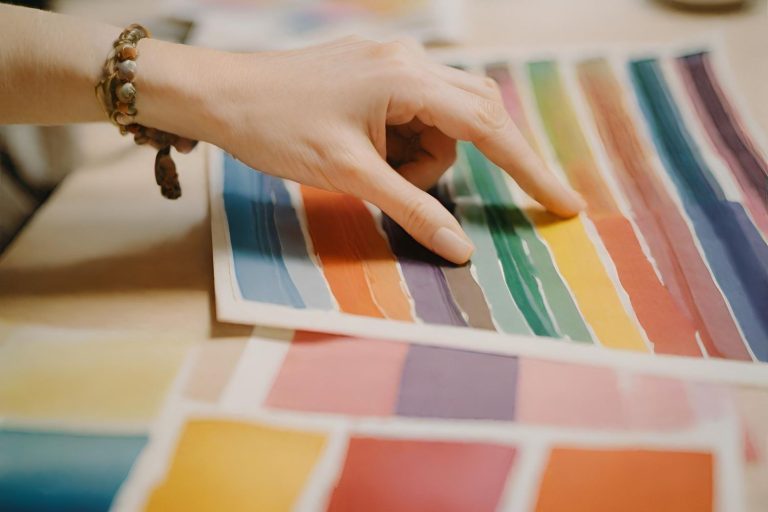
Art practices like painting, colouring, or drawing are effective ways to incorporate mindfulness through colour. Unlike traditional artwork that may be focused on creating something realistic or specific, mindful creation is about the process rather than the end product. It’s an opportunity to express various emotions through different colours, textures, and mediums to connect with your intuition. All it takes is setting an intention for your art session, whether it be as simple as exploring a particular emotion or focusing on a specific colour. As you create, allow yourself to be fully present in the moment, paying attention to each movement of your hands. This practice is shown to not only reduce stress, but also enhance our emotional resilience and self-awareness.

Ultimately, creative expression can be profoundly healing. Sometimes it’s easy to give in to our ‘inner critic’ that stops us from expressing ourselves, but it’s important to continue with expressive creating. Whenever you’re feeling stressed or overwhelmed, try to create a habit of incorporating mindful art practices into your routine – you might just find it’s exactly what you need to unwind, reconnect, and ground yourself.

/ READ MORE
by admin
Uncategorized
May 8, 2026

Are you a victim of your own thoughts?

Change begins with the words inside your head.

Jay Shetty, “Think Like a Monk”

Does your inner voice drain you with negativity? If you are not aware, pay attention to your mood. Track your moods every day and notice what thoughts you hear inside your head when you are happy, joyful, angry, sad etc. Your thoughts and your moods are interdependent, and they are a result of what you feed your mind. In fact, how do you feed your mind?

By what we read and hear. By who we spend time with. By what we do with our time. By where we focus our energy and attention.

Jay Shetty, “Think Like a Monk”

Have you ever felt that you should stop wasting time scrolling social media but couldn’t control yourself? Such conflicts happen inside your mind every day. You know what should be done but you let your impulsive feelings dominate you. In the book “Think Like a Monk” written by Jay Shetty, the author describes this scenario as a conflict between the Monk mind and the Monkey mind. These are two extreme ends that seek our attention. Going to the extremes will not serve us well. If you let your Monkey mind win, you would end up in guilt and if you let your Monk mind win, you would end up in dissatisfaction.

How many times have you felt that you should not have said something in a situation, and you couldn’t control yourself, and regret saying what you said later? You cannot take back what you said or did once it is already said or done. Apologies will never make things just the way it was before. The Monkey mind lets sudden unintentional reactions to distort your mind and then, you lose control over the moment. The Monkey mind does not know that it lost the control. It will unintentionally follow many other distorted thought lines mistaking each of the subsequent moments losing control further until you notice that it is too late.

However, the Monkey mind is not totally bad. It does not know its boundaries just like a child, but it gives you the opportunity to enjoy your life.

The child mind enables us to be spontaneous, creative and dynamic—all invaluable qualities—but when it rules us, it can be our downfall.

Jay Shetty, “Think Like a Monk”

On the other hand, the Monk mind is like the other extreme end. It is well-disciplined and controlled. What is the fun if the inner creative child in you is suppressed? Yet it is like a parent advising you for your own wellbeing. It tells you what you should be doing like:

  • You should go to the gym and workout.
  • You need to sleep early and wake up early to make your day productive.
  • You promised yourself to watch only 1 episode on Netflix and now it has become endless.
  • You know that you gain nothing out of scrolling social media, but something doesn’t let you stop.

You know exactly what you should be doing but you let your Monkey mind win. It justifies your impulsive actions with very creative excuses but in the end of the day, you end up in guilt.

We don’t want to be controlled by automatic reactions in every case, nor do we want to eliminate the child mind altogether.

Jay Shetty, “Think Like a Monk”

We need to work on both ends in a way they collaborate with each other. Enjoying a great TV show doesn’t hurt you. In fact, it entertains you. Having fun is crucial in our lives. Yet you need to know your boundaries and stick to them. That’s all. Of course, it is easier said than done. But do you really want to change yourself?

If you want something you never had, you have to do something you’ve never done.

Thomas Jefferson

The biggest challenge we face here would be our impulsive behavior. It takes time and that is totally OK. The difference will happen when you simply try. Noticing that you need to change yourself is in fact a great achievement because not everybody realizes that. Most of the people go in an autopilot mode without being aware of their actions.

…we can think of the interaction as making a friend or negotiating peace with an enemy.

Jay Shetty, “Think Like a Monk”

Our minds need continuous training, and the key is awareness. We need to frame the inner conflict in a way that the Monk mind and the Monkey mind work together in harmony.

How can we train our mind?

In the beginning of your self-awareness journey, a powerful technique that you can do easily is simply talking to yourself.

It may sound silly, but the best way to overwrite the voices in your head is to start talking to them. Literally. Start talking to yourself every day. Feel free to address yourself with your name and to do it out loud wherever you are comfortable doing so. Sound is powerful, and hearing your own name grabs your attention.

Jay Shetty, “Think Like a Monk”

Having a conversation with oneself with few drops of positive self-talk could do wonders. Self-awareness of your inner dialogue will make you understand your thoughts, feelings, and moods. Notice whether you are generally a positive person or a negative person. Everybody has both positivity and negativity in different ratios. If you notice that your thoughts are more to the negative side, you can reframe them.

Try using positive affirmations whenever you can. It will take some time to recondition your belief system, but you will feel a positive change. Mindfully stop when your inner thoughts go negative. In the book Think Like a Monk, the author brings forward a very effective way of reframing negative thoughts. It is called Spot, Stop, Swap.

1. Spot – becoming aware of the negative feeling or spotting the problem.

2. Stop – pausing to address the feeling and where it comes from.

3. Swap – Changing the way of processing. Journaling is a very practical way of swapping.

…writing in a journal about upsetting events, giving attention to your thoughts and emotions, can foster growth and healing, not only mentally, but also physically.

Jay Shetty, “Think Like a Monk”

As a final note, please be kind to yourself and be thankful for your own efforts. It is you who knows your real story and nobody else will understand you just the way you do. So, appreciate your own efforts every day and remind yourself that you are worthy.

PS: This article is inspired by the book “Think Like a Monk” by Jay Shetty. It is a life-changing book and is highly recommended for a good read.

/ READ MORE
by admin
Uncategorized
May 8, 2026

Ocean Serenity

Chromotherapy, also known as color therapy or color healing, is a holistic practice that utilizes the therapeutic properties of different colors to promote health and well-being. Dating back thousands of years to ancient civilizations such as the Egyptians, Greeks, and Chinese, chromotherapy is based on the belief that colors have the ability to influence our physical, emotional, and spiritual states.

Each color is associated with a specific wavelength of light and is believed to correspond to different energy centers, or chakras, within the body. By exposing oneself to particular colors through light, textiles, or visualizations, practitioners of chromotherapy aim to restore balance and harmony to these energy centers, thereby addressing imbalances that may lead to illness or discomfort.

For example, red is often associated with vitality, courage, and stimulation. It is believed to increase energy levels and promote circulation, making it beneficial for conditions such as fatigue, anemia, and poor circulation. On the other hand, blue is associated with calmness, serenity, and communication. It is often used to promote relaxation, reduce stress and anxiety, and improve sleep quality.

Chromotherapy can be applied in various ways, including colored light therapy, where specific colored lights are used to illuminate a room or targeted areas of the body. It can also involve wearing colored clothing or surrounding oneself with objects of a particular color, such as crystals or gemstones. Additionally, chromotherapy can be incorporated into other holistic practices, such as meditation, yoga, and acupuncture, to enhance their therapeutic effects.

While scientific evidence supporting the efficacy of chromotherapy is limited, many people report experiencing positive effects from incorporating color into their healing practices. Whether used as a standalone therapy or as a complementary approach to conventional medicine, chromotherapy offers a non-invasive and potentially beneficial way to promote health, balance, and well-being on multiple levels. As with any holistic practice, it’s essential to consult with a qualified healthcare professional before using chromotherapy as part of your wellness routine.

Photo Credit: Samesh Naidoo

/ READ MORE
by admin
Uncategorized
May 8, 2026

Chromotherapy

Chromotherapy, also known as color therapy or color healing, is a holistic practice that utilizes the therapeutic properties of different colors to promote health and well-being. Dating back thousands of years to ancient civilizations such as the Egyptians, Greeks, and Chinese, chromotherapy is based on the belief that colors have the ability to influence our physical, emotional, and spiritual states.

Each color is associated with a specific wavelength of light and is believed to correspond to different energy centers, or chakras, within the body. By exposing oneself to particular colors through light, textiles, or visualizations, practitioners of chromotherapy aim to restore balance and harmony to these energy centers, thereby addressing imbalances that may lead to illness or discomfort.

For example, red is often associated with vitality, courage, and stimulation. It is believed to increase energy levels and promote circulation, making it beneficial for conditions such as fatigue, anemia, and poor circulation. On the other hand, blue is associated with calmness, serenity, and communication. It is often used to promote relaxation, reduce stress and anxiety, and improve sleep quality.

Chromotherapy can be applied in various ways, including colored light therapy, where specific colored lights are used to illuminate a room or targeted areas of the body. It can also involve wearing colored clothing or surrounding oneself with objects of a particular color, such as crystals or gemstones. Additionally, chromotherapy can be incorporated into other holistic practices, such as meditation, yoga, and acupuncture, to enhance their therapeutic effects.

While scientific evidence supporting the efficacy of chromotherapy is limited, many people report experiencing positive effects from incorporating color into their healing practices. Whether used as a standalone therapy or as a complementary approach to conventional medicine, chromotherapy offers a non-invasive and potentially beneficial way to promote health, balance, and well-being on multiple levels. As with any holistic practice, it’s essential to consult with a qualified healthcare professional before using chromotherapy as part of your wellness routine.

/ READ MORE
by admin
Uncategorized
May 8, 2026

Music’s Effect on Depression

The Power of Music to Reduce Stress

Music’s ability to heal has been studied for many years. It has been found to have many benefits, such as the reduction of stress. Stress has a biological impact on the human body; it can induce the release of hormones and chemicals that affect the brain, such as cortisol.

Cortisol, also known as the stress hormone, can be helpful when we need to respond quickly to specific situations, but when an excess amount is released at an inappropriate time, issues can arise such as the development of depression. When we are stressed, our heart rate and blood pressure increase and force the adrenal glands to produce cortisol. Music can lower our heart rate, and subsequently, cortisol levels, while triggering the release of endorphins, which play a role in stress reduction.

Music’s Effect on Depression

It is important to understand how music is processed in our brains. Music signals are sent to different parts of the cerebral cortex, and these regions detect different components of the music, such as tone, pitch, and rhythm. The brain processes this information and puts it all together in a way that can manipulate our emotions and entire body.

The reduction of stress isn’t the only benefit of music. As previously mentioned, it reduces cortisol levels. Since cortisol and stress are interconnected, it can also reduce burnout from stressful situations like work or school. Also, people who have trouble sleeping due to stress can benefit due to the distraction from the stressors. Further, cortisol is connected to anxiety, which when treated with music, can reduce significantly. It also has benefits when used to treat mental health conditions such as schizophrenia, Alzheimer’s, and depression. When used to treat depression, not only do depression levels reduce, but confidence and motivation increase. Music can also be combined with meditation to relax and destress even more. Due to the slow tempo of music used during meditation, heart rate can reduce, which again leads to the reduction of cortisol and ultimately, stress.

Music therapy is different than simply listening to music, but can be more beneficial in certain situations. Music therapy involves therapists who will develop sessions based on the need of the patient. There are different types of music therapy, such as:

  • Simply listening to music
  • Playing it oneself
  • Composing or writing songs

The purpose is to help the patient work through their issues. It can even be combined with other types of therapy, such as speech or physical therapy, to improve the results.

While music is helpful when treating mental pain and issues, it can also be used to treat physical pain. It is frequently used during surgery to decrease cortisol levels, which will decrease post-operation pain. This is due to music’s ability to distract the brain from pain and instead create positive emotions.

Music doesn’t just help people who are suffering from mental health issues, it can help people who are simply trying to focus. Studies have found that when listening to music, focus improves, and people are more easily able to remember information.

Music seems to be connected to the central nervous system. The sympathetic (fight or flight) and parasympathetic (rest and digest) parts of the central nervous system are automatic, so they can operate even in unwanted situations. When the sympathetic nervous system isn’t regulated after a stressful situation, music can help to reactivate the parasympathetic nervous system, which will bring the body back to homeostasis.

While it’s understood that all music can be beneficial, certain types may be more fit for certain situations. Depending on what someone may be wanting to feel, they may listen to different genres of music, such as classical music to calm themselves or rap music for motivation.

Overall, music won’t single-handedly cure all issues that someone may be facing, but when combined with other forms of therapy or medication, it can be incredibly valuable.

What is Music Therapy, and How Does it Work?

Music therapy is an alternative to more traditional forms of therapy, that uses music to help someone with issues that they may be having. It has been found to be valuable for improving mood, confidence, self-awareness, and many other cognitive processes. There are different forms of music therapy that vary from listening to music or creating it, however improvisation tends to be involved, and there is always interaction between the patient and the therapist.

Different elements of music affect different parts of the brain; key parts are the frontal lobes, which process emotional signals from the music, and the nucleus accumbens or reward center, which can produce physical pleasure.

The idea of music therapy isn’t new. It has been found to be used all the way back in the times of Ancient Greece. Even though it has been used for some time, it only became an accepted type of therapy by the 1940s.

Music’s Effect on Depression

Although different forms of therapy can be suitable for differing issues, music therapy can be more useful in certain situations. For example, since verbal communication isn’t needed, it could be useful for people who have trouble with verbal communication, such as dementia patients or people with a mental health condition. It is also useful for people who are bedridden or are uncomfortable leaving their home, because it can be brought to the patient. A patient will also learn new skills and coping mechanisms that they can use in their everyday life, therefore it can be beneficial for the rest of their lives.

There are various benefits that are exclusive to music therapy. Playing music yourself and analyzing lyrics can aid the improvement of many things such as memory, coordination, perseverance, and can help people process emotions, experiences, and memories. It also spreads culture. People can explore music from any culture and understand the history of that music and culture. Finally, it is a great way to express oneself. Many people have trouble expressing themselves with words, but music gives them a different expressive outlet.

Music has considerable effects on certain mental disorders. It can reduce blood pressure and heartbeat, while also controlling the amount of stress hormones, cortisol and adrenaline, that are being released. The combination of these two things can reduce anxiety almost immediately. It also releases dopamine and endorphins, which are hormones that make people feel happy and relieve pain, which are crucial for relieving symptoms of depression.

Why Music Therapy is a Depression Treatment

Depression is a debilitating mental illness that affects millions of people. Medication is usually used as treatment, but there are alternatives such as music therapy.

The use of music therapy dates all the way back to Ancient Greece, but modern music therapy was used during the World Wars. Soldiers suffered from various mental issues, but doctors found that their conditions improved when hearing music.

No skills are required to partake in music therapy. It simply gives patients a safe place to express and explore themselves, while giving them a sense of control, which leads to a feeling of accomplishment.

There are two types of music therapy, receptive and active:

  1. Receptive music therapy: Simply listening to music that the therapist thinks best fits their needs.
  2. Active music therapy: Physically creating music. Usually, improvisation is used to help the patient express their emotions.

Music therapy is different than just listening to music because a therapist trained in treating depression selects specific music for each patient. Although medication can be useful in the treatment of depression, it has been found that the effectiveness increases when combined with music therapy. Brain images have shown that music therapy has been found to activate parts of the brain that control emotional states: it lowers anxiety, increases motivation and self-esteem, and can even improve relationships.

There are three main theories as to why music therapy works. The first is that playing music gives the patient a sense of meaning. It can help people who have difficulty expressing themselves by giving them a new way of expression, while also experiencing the pleasure that comes from the music. Another theory is that simply the physical act of playing music can improve symptoms, since it engages the body, and physical activity has been found to ward off depressive symptoms. The last theory is that it is interactive. The patient can communicate in different ways with the therapist and express their emotions without having to use words.

Music’s Effect on Depression

Can Music Help Depression?

The concept of music therapy has been used as far back as the times of Ancient Greece. Studies have shown that the large majority of people diagnosed with depression that partake in music therapy show significant improvement after continual treatment. It has many effects that influence depression symptoms such as the increase of self-esteem, decreased anxiety, and a safe emotional release.

There are two types of music therapy: active and passive. Active therapy involves the patient and therapist creating music themselves, typically using improvisation. Passive therapy involves simply listening to music. The therapist will use the music to explore emotions that may have been evoked. There are theories of why music therapy is so beneficial, but the baseline is that it involves a therapeutic environment that allows people to express themselves. It has biological effects on the body, such as a reduction of breathing and heart rate, and increased levels of feel-good hormones. This can influence many parts of a human being, especially individuals with depression, such as self-esteem, communication, and a general improvement in functioning. Psychiatrist Michael Crawford credits the effectiveness of music therapy to the fact that it engages the body, since physical activity can prevent depression. It can also help people interact, which is a biological need.

Every part of the brain is involved when experiencing music, even parts that aren’t usually accessible. The bottom line is that music seems to strengthen the brain and improve overall functioning, especially when combined with other treatment methods.

What are the Benefits of Music Therapy?

Music therapy, which can be used alone or with other therapeutic methods, started to be used after World War II. There are several major health benefits such as the reduction of stress, anxiety, and depression, the improvement of healing, self-expression, and communication, and the reduction of symptoms of many diseases and disorders. Clearly, music therapy is very broad and can be used for whatever the patient needs. Usually, patients are trying to improve certain skills, including communication skills, social skills, and emotional skills. These are common goals with music therapy because music influences people’s emotions, communication, and perception. Brain imaging studies have shown that music has effects on many different areas of the brain, including the limbic and paralimbic structures, which are involved in emotional processing. Music’s effect on the peripheral system is still being studied, but since it seems to affect other systems such as the autonomic and endocrine system, researchers believe that it can be used to treat certain disorders.

As previously mentioned, music therapy is used for various issues. It can be used for physical rehabilitation, to improve motor function in Parkinson’s disease patients, or even just to help patients struggling with treatment. It has also been found to reduce dementia, asthma, physical pain, and help children with autism improve their communication.

There is a certain approach called the Nordoff-Robbins approach which involves physically making music. This approach acknowledges that anyone can make music and is used to develop skills and self-awareness.

Music has a relaxing effect on the mind and body. It can physically relax muscles, which subsequently relaxes the mind. This relaxation that music provides is magnified when combined with other activities, such as yoga or meditation.

There are several different methods used in music therapy sessions, such as singalong, blackout songwriting, musical hangman, and blues songwriting. Singalong can be used in individual or group sessions, and it is essentially singing along to songs that the therapist selects. With blackout songwriting, the patient receives multiple songs that they may relate to and selects lyrics from the songs to create their own. Musical hangman is a normal game of hangman, however, the patient must think of songs that start with the letter that they guess and then listen to the chosen songs. Finally, blues songwriting involves the patient thinking of a solution to a problem they may be having and making it into a song. There are many other activities that may be done in music therapy, such as improvisation, dancing, or even music trivia.

There are different types of music therapy, active and passive. Active involves physical engagement, while passive involves simply listening to music. Music therapists using passive methods might give their patients homework using certain technologies. For example, some platforms allow audio to be sent to the client’s phone, so they would be told to listen at home.

Music therapy can be used in schools to improve children’s behaviour and skills, such as academic and problem-solving skills. It can even help with certain classes, like math and writing. Most importantly, it enhances self-expression, self-esteem, and communication skills, by encouraging the children to create their own songs, or even create their own music therapy program. This therapy can be very helpful for children who have developmental delays or trauma, or who are anxious, depressed, or chronically ill. There are several methods that can be used to make therapy more fun, such as music bingo, where songs are used instead of numbers, or Pictionary, where the participants must draw song titles.

References

  • Can listening to music reduce stress? Research, benefits, and genres.
  • What are the benefits of music therapy?
  • Can music help depression?
  • Scientific reasons music therapy is the depression treatment you’ve been looking for.
  • What is music therapy, and how does it work?
/ READ MORE
by admin
Uncategorized
May 8, 2026

How Music impacts our Mental Health

Few people may recognize how closely connected art and medicine are. The brain is the center of operation for our body, and music activates more regions of our brain than nearly any other human activity. For example, the basal ganglion coordinates movement, and the hippocampus functions in memory and emotions. Diseases such as Parkinson’s and Alzheimer’s target these regions, causing movement disorders and memory loss. The question is, can music help?

Holzmueller (2022) found that neuroimaging shows “music is strongly connected to reward systems in our brain. This musical pathway to pleasure/emotion may help understand and temper the emotional and physical responses linked to addiction.” (p. 280). Whether someone is listening, singing, dancing, or playing an instrument, music continues to have positive effects. For hospitalized patients undergoing surgery or painful procedures, studies show that music reduces pain scores, pain medication intake, anxiety, blood pressure, heart rate, relaxation, and mood. Group singing lessons, which enhance voice volume, clarity, and quality of life, serve as an illustration of this. For patients with Parkinson’s disease, participation in West African drum circle lessons has greatly improved these traits, as well as mobility. When it comes to walking, the application of rhythmic signals helps decrease gait issues, including the freezing of movement that is frequently observed with Parkinson’s disease. The Center for Music & Medicine and the ParkinSonics program are two organizations that contribute to this cause, offering free drumming lessons and community-based singing groups.

Apart from movement, Holzmueller (2022) states that music also benefits people with dementia. It helps reduce disruptive behavior and depressive symptoms and improves some cognitive functions. However, when all music-related activities cease, the progress brought about by music-based interventions may regress. This result is comparable to taking medication for a chronic disease. The advantage of music, according to the report, is that it is often “less expensive with minimal or no negative effects.” Music unites us in ways that trigger happy memories and foster a sense of community. The idea of using music to enhance mental health is not new, but neuroimaging studies now enable neurologists and researchers to visualize and quantify these effects. As the article concludes, “Sometimes taking a pill is not the best medicine.”

How Music Affects Cognitive Skills and Mental Health in Children

Akombo (2022) highlights that music has played an essential role in schools for almost two centuries. In France, music education was introduced in public schools, and the National Academy of Music was established in Paris to cultivate uplifting feelings, reduce animosity, and promote health through harmony. Music therapy as a discipline emerged in the mid-20th century, serving both social-educational and psychological regulation purposes. Researchers found that music played a key role in calming restless students and stimulating apathetic ones through mood and behavior regulation. Hospitals also provided music lessons to patients, allowing them to organize musical events as part of therapy.

Music has long been used to produce therapeutic physiological and psychological results. Scientists have proposed theories about the connection between music and pain or anxiety relief. Akombo (2022) found that anxiety in children has become a national concern, often leading to physical symptoms like headaches. Music plays a vital role in reducing anxiety levels among students. Giles (1990) states, “It is this group that is most prevalent in the classroom, and it is this group that could be helped by music” (p. 141). Music teachers can incorporate healing aspects of music into the classroom, helping students manage stress. Sample research results suggest that music positively impacts children’s overall wellness. Creative teaching strategies, such as playing songs like “Twinkle, Twinkle Little Star” while encouraging students to clap, stomp, and create beats, foster cognitive development and aesthetic appreciation.

Listening to music with repetitive rhythms for at least ten seconds can lead to a decrease in blood pressure and heart rate. For example, the Native American Lullaby is traditionally used to calm children to sleep. Music programs like choir, band, and orchestra can help reduce stress-related issues such as teenage suicide, delinquency, and school violence. These problems often stem from anxiety, and music has been shown to support children’s emotional, physical, and spiritual well-being.

The Effect of Art and Music on Stress and Anxiety Levels in Adolescents

Aggarwal (2021) discusses how music and art therapy have long been believed to have significant healing effects on the human psyche. With the growth of art education programs and modern psychology, art therapy has become an established discipline. Organizations like the American Music Therapy Association (AMTA) promote music therapy as a tool for stress management, pain relief, cognitive enhancement, communication improvement, and physical rehabilitation. By engaging in music and art, students gain a deeper understanding of their trauma and build resilience (Payne, Doty et al., 2018, as cited in Aggarwal, 2021).

Adolescence is a time of heightened stress and anxiety, making teens particularly susceptible to mental health issues. Bethune (2014) found that teen stress rivals that of adults, with 31% feeling overwhelmed, 36% fatigued, and 30% experiencing sadness, yet only 42% taking action to manage stress. Music releases dopamine, similar to scents like lavender and chamomile (Payne, Doty et al., 2018, as cited in Aggarwal, 2021). Research from McGill University (Salimpoor & Zatorre, 2011) indicates that music increases dopamine production, improving mood and reducing stress.

Teens also use art to express emotions, making it a valuable tool for managing depression, anxiety, PTSD, and stress-related physiological symptoms like high blood pressure. Art and music therapy have been linked to better emotional regulation and overall well-being (Schrader, 2011; Spruit & van Hooren, 2019, as cited in Aggarwal, 2021).

Music Listening and Emotion Regulation: Young People’s Perspectives

Garrido, Du Toit et al. (2022) examined how young people use music to regulate emotions and how different factors influence its effectiveness. Emotion regulation refers to cognitive processes that help manage emotions and expressions (Gross, 1998, as cited in Garrido, Du Toit et al., 2022). Music is a crucial coping tool, particularly for anxiety and depression.

Findings indicate that many young people use “mood-matching” music to process sadness or depression. Lyrics that resonate emotionally can provide comfort and a sense of connection. Participants generally preferred sad music during distress rather than upbeat songs, as it helped them process emotions. Some used music deliberately to shift their mood and recall positive memories. Both the beat and lyrics of a song significantly influenced emotional well-being.

The research emphasizes the importance of selecting music that aligns with emotional needs, personal taste, and memory associations. Encouraging young people to be mindful of the emotional effects of their music choices can improve their mental health.

References

  • Holzmueller, C. (2021). Music Is Often a Better Medicine. Quality Management in Health Care, 30 (4), 280-282. Read here.
  • Akombo, D. O. (2022). How Music Affects Cognitive Skills and Mental Health in Children. CIVAE. Read here.
  • Aggarwal, S. (2021). The Effect of Art and Music on Stress and Anxiety Levels in Adolescents. International Journal of Social Sciences. Read here.
  • Garrido, S., Du Toit, M., & Meade, T. (2022). Music Listening and Emotion Regulation. Read here.
/ READ MORE
by admin
Uncategorized
May 7, 2026

Music Therapy and Dementia Disorders

Many call music a universal language; people of all ages, genders, and backgrounds can find enjoyment in this medium. Recently, it has been shown that music can do more than just entertain—music can heal.

What is Music Therapy?

Music Therapy and Dementia Disorders

Music therapy, the clinical use of music-related activities to improve individual cognition and health, has gained popularity in recent years. This form of therapy has been used for various health issues, such as supporting veterans experiencing PTSD, assisting those healing from trauma, and easing the burden of those who experience chronic pain. The more researchers explore music therapy, the better they understand the relationship between music and the mind, expanding how this therapy impacts emotional, physical, and cognitive well-being.

One area where music therapy has shown promise is in helping individuals with dementia disorders.

What is Dementia?

Dementia affects about five million adults over the age of sixty-five and is an umbrella term for conditions that weaken an individual’s ability to remember, retain, and utilize information necessary for daily life.

As Laurie Graham, a novelist and dementia caregiver, once said:

“None of us want to be reminded that dementia is random, relentless, and frighteningly common.”

Dementia is a devastating condition for both individuals and their families. Research into improving the well-being of those suffering from dementia is ongoing, and many have turned to music-based therapies for answers.

How Can We Help Our Loved Ones with Dementia?

Recent research suggests that music-based therapy can significantly benefit individuals with dementia by engaging them in mental exercises. A study by Alvarez (2022) examined how individuals with dementia respond to Neurologic Music Therapy (NMT). Researchers used vocal and breathing exercises to stimulate speech and language while incorporating familiar songs to exercise memory recall.

The study found that NMT positively impacted both mood and cognition in dementia patients. Another study reported similar findings, with general well-being increasing by 48% and sociability rising by 32% among participants. These studies highlight the impressive effects of music-based activities on cognitive function and emotional health.

Music therapy can also be implemented on a smaller scale at home. By integrating familiar songs into daily routines, family members can help loved ones engage more actively in their environment.

Music Therapy for Alzheimer’s and Dementia-Related Diseases

Music therapy has also been found to benefit individuals suffering from Alzheimer’s disease. A study by Svansdottir & Snaedal (2006) observed Alzheimer’s patients enrolled in an 18-session music therapy program. By incorporating familiar songs, researchers found a significant reduction in activity disturbances, such as aggression and paranoia.

However, when the therapy sessions ended, the positive effects gradually diminished, emphasizing that continued exposure to music therapy is essential for maintaining benefits.

Some might argue that sustaining music therapy requires ongoing effort, making it challenging to maintain. However, researchers suggest that one of the causes of activity disturbances is a lack of meaningful engagement in daily life. Introducing music-related activities gives individuals a sense of purpose while exercising their cognitive functions.

The Role of Music in Memory and Emotional Regulation

Understanding how structured music therapy benefits dementia patients is just the beginning. Dr. Concetta Tomaino, director of the Institute for Music and Neurologic Function, suggests that individuals can incorporate music therapy at home to improve recognition and association.

Many dementia patients recognize familiar songs and connect them with past experiences. Singing these songs with loved ones can help evoke memories and provide emotional comfort. Dr. Tomaino explains, “The music that we love, that we hold attachments for and hold memories of, becomes deeply embedded in subcortical networks in our brain.” This embedded connection can assist individuals with dementia in expressing themselves, regulating their emotions, and even improving social interactions.

Final Thoughts

The progression of dementia disorders can be overwhelming, but research shows that taking action can improve the well-being of those affected. Music therapy has demonstrated significant cognitive and emotional benefits for individuals with dementia, particularly in elderly populations.

Future research could explore how different forms of music affect patients or whether music therapy could extend beyond neurodegenerative diseases to help with other memory-related challenges. By understanding the available therapeutic options, individuals can make informed decisions on how to support loved ones facing dementia.

References

  • Chan, N. (2022, February 25). Concetta Tomaino: Healing the Brain and Body With Music. Being Patient. Read here.
  • Madsø, K. G., Molde, H., Hynninen, K. M., & Nordhus, I. H. (2021). Observing music therapy in dementia: Repeated single-case studies assessing well-being and sociable interaction. Clinical Gerontologist, 45(4), 968–982. Read here.
  • Cleveland Clinic. (2022). Music Therapy: What Is It, Types & Treatment. Read here.
  • Prieto Álvarez, L. (2022). Neurologic music therapy with a habilitative approach for older adults with dementia: A feasibility study. Music Therapy Perspectives, 40(1), 76–83. Read here.
  • Svansdottir, H. B., & Snaedal, J. (2006). Music therapy in moderate and severe dementia of Alzheimer’s type: A case–control study. International Psychogeriatrics, 18(4), 613–621. Read here.
  • CDC. What Is Dementia? Read here.
/ READ MORE
by admin
Uncategorized
May 7, 2026

Art Therapy – What, Why & How

Art therapy remains an underused and under-studied form of treatment for mental ailments, and most scientific work studying treatment for chronic diseases doesn’t focus on the psychological impact of these conditions. Many people aren’t even aware that it’s an option, or may lack education on the subject, and consider it to be unscientific. Raising awareness of alternative forms of therapy (such as art therapy) will expand its availability, and inspire more research into the area.

There is a lack of in-depth and large-scale research on:

  • Effectiveness of art therapy in larger populations
  • Types of therapy that are effective for which conditions
  • Identifying who will benefit the most from these therapies
Art Therapy

Better understanding of these factors would allow for programs targeted at specific groups to be better advertised, increasing their use and efficacy. Going to a workshop and trying to paint or play an instrument for the first time could provide the inspiration that sparks a new hobby. If a particular kind of art therapy is helpful for someone, it would be ideal to have them fall in love with it.

Groups like LOUD Art Society are so important because they provide these opportunities. Dancing, singing (solo and in choirs), playing music, origami, sculpting, painting, drawing, colouring, mixed media collage, collaborative group activities (such as murals), theatre, and acting have all been shown to be artistic mediums with therapeutic potential.

There is truly something for everybody!

How does art therapy work?

Art Therapy

Art therapy isn’t just a palliative solution; over time, it actually changes how the brain functions. Each part of the brain forms complex connections with many other parts and serves multiple purposes.

Art therapy works because it holistically engages many brain areas at once, and this ‘exercise’ trains the activated parts to be more active in general; more oxygen and glucose flows to these areas, reinforcing existing connections and making new ones over time.

For example, when drawing or painting, areas of the brain in both hemispheres are stimulated, and this whole-brain stimulation facilitates cognitive restructuring and supports neural plasticity. This is the same basic principle that allows cognitive behavioural therapy to work. It has been proven that therapy involving sculpting, painting, and colouring has positive effects on mood and anxiety immediately afterward, as well as persistent positive effects at least 12 months later.

Social and communication faculties are shown to be improved by the use of art therapy, because art itself is ultimately an emotion-based form of communication: the artist’s feelings turn directly into brush strokes, ink lines, the clay under their fingers, etc. It’s important for the person doing the art to understand that what matters most is the creative process, as this is the therapeutic part; while the end product may be meaningful, it’s the exercise that’s important.

The art that’s created is for the artist. Additionally, mindfulness techniques can be employed during art therapy to enhance its impact and effectiveness. It may sound obvious, but it’s also important for people doing art therapy to enjoy the type of activity they’re engaged in. Not everyone will enjoy making certain kinds of art, and the more someone enjoys doing something, the more engaged they will be with it.

Why is art therapy important today?

The main brunt of the pandemic has passed us in Canada, but many factors such as social isolation, personal and financial hardships, and potentially loss have introduced complex, persistent traumas and stressors that are difficult to shake off. Introspection and self-expression are important techniques in overcoming these sorts of traumas, and art therapy is a great tool for going about this, especially when the participants actively reflect on the art-making process.

Art-based therapeutic intervention can help develop coping mechanisms and resilience in groups affected by a disaster, such as the pandemic. Additionally, creating art in a group setting produces heightened feelings of belonging and kinship. If someone attends art therapy sessions, their caregivers and supporters should be encouraged to attend with them whenever feasible; the former’s emotional improvement will have a positive effect on them either way, but a joint activity has been shown to strengthen emotional bonds and have a variety of positive effects.

References and Further Reading:

  • Cucca, A., et al. (2018). Visuospatial exploration and art therapy intervention in patients with Parkinson’s disease.
  • Edwards, C., & Hegerty, S. (2017). Where it’s cool to be kitty: An art therapy group for young people with mental health issues.
  • Gavron, T., Ito, T., & Inoue, T. (2020). Art-based psychosocial interventions in Japan.
  • Junakovic, A., & Telarovic, S. (2021). The effects of art therapy on Parkinson’s and Alzheimer’s disease.
  • Khubetova, I., & Vorokhta, Y. (2021). Art therapy for Parkinson disease.
  • Peterson, C. (2015). Walkabout: Looking in, looking out—A mindfulness-based art therapy program.
  • Raglio, A. (2015). Music therapy interventions in Parkinson’s disease.
  • Roseman-Halsband, J. L., et al. (2021). Art in clinical practice.
  • Thaut, M. H., McIntosh, G. C., & Hoemberg, V. (2015). Neurobiological foundations of neurologic music therapy.
  • Wu, C.-C., et al. (2022). Dance movement therapy for neurodegenerative diseases.

/ READ MORE
by admin
Uncategorized
May 7, 2026

A look into the Brain of a Dancer

Depression is a common and serious medical illness that varies from mild to severe symptoms and can cause sufferers to feel many different things. It is a mood disorder that “manifests itself as a state of emotional exhaustion and unhappiness that may be transient or permanent” (Polanco-Zuleta et al., 2021). Depression is an illness that is taking over people’s lives, young and old: 800,000 people a year who suffer from depression commit suicide (Polanco-Zuleta et al., 2021). Depression is medically different for each person and does not only affect those who suffer from it but their caregivers as well (Polanco-Zuleta et al., 2021). Those who have depressive disorders “generally have low levels of perception of self-efficacy which can impact their functional skills in their daily lives” (Polanco-Zuleta et al., 2021).

Studies have shown that dance movement therapy (DMT) has significantly impacted the reduction of depression symptoms. The movement to music empowers the expression of unconscious inner feelings and encourages the desire for aesthetic sensibility; such creative self-discovery arouses a person’s liveliness and makes a notable impact on depression. Body-focused therapies naturally form a connection to the awareness of bodily states (Merrit Millman L.S. et al. 2020) and trigger the development of introspection, a skill that brings sensation, action, and observation into the conscious mind (Merrit Millman L.S. et al. 2020). As individuals learn to apply newfound self-awareness to their emotions, the root of their pain becomes discoverable, and coping strategies can be brought to light, thus promoting self-efficiency and healing.

Not only does dance teach people to look inward and uncover the subconscious symptoms of depression, it also increases serotonin levels and releases endorphins. Serotonin releases mood-stabilizing chemicals and positively reinforces movement to reduce sadness, demonstrating dance’s short-term benefits. In comparison, endorphins are naturally occurring opiates often associated with euphoria, happiness, and well-being (Ogden et al., 2020, pg. 275). Both hormones serve as a natural pain reliever and a healthy escape from depression symptoms.

When studying solutions for depression in hospitalized patients with major depressive disorder, researchers discovered that pharmacological treatment and a dance program work hand in hand. When pharmacological treatment and a dance program were combined to treat patients with depression, it helped to decrease individuals’ symptoms. It also increases the perception of self-efficacy, which leads to a greater recovery rate (Polanco-Zuleta et al., 2022). Movement generates physiological and emotional well-being (Polanco-Zuleta et al., 2022) since it challenges the emotional exhaustion manifested by depression. Dance strengthens the heart, and organs achieve heightened stamina which trains the body to use energy more efficiently (Golen, T. & Ricciotti, H. 2021). The heart gets better at circulating oxygen and makes it easier for the mitochondria to produce energy, plus the body gets a “boost from an exercise-induced increase in hormones” (Golen, T. & Ricciotti, H. 2021) that makes people feel more energized and provides quick relief to depression symptoms.

Approximately 322 million people suffer from depression, and 800,000 people commit suicide a year, according to the World Health Organization (Polanco-Zuleta et al., 2022). These statistics show that depression affects not only those who suffer from the disorder but also their primary caregivers. When attending to a depressed individual, the role of a caregiver extends from bestowing basic needs to providing continuous emotional support. This is why the benefits of the dance program, in addition to pharmacological treatment, become crucial to the well-being of caregivers as well.

Since depression exists in age groups outside of young adults, Mala et al. (2012) focused their study on the specific benefits of dance movement therapy concerning a person’s stage of life. For example, the research of adolescent teens in the DMT program discovered modulation in serotonin and dopamine through the involvement of dance movement therapy (Mala et al., 2012), whereas balanced cognition and mood stability improvement was the main focus in the group of older adults. Since physical problems and isolation are the main reasons for depression development in people aged 60-74 years old, the beneficial effect of movement on balance becomes a topic of life preservation (Mala et al., 2012).

Falls are a major cause of mortality in older adults; therefore, refining balance is a significant advantage of DMT. Remarkable improvement in balance, higher behavioral morals, and higher self-esteem of older people in nursing homes have also been observed through dance movement therapy (Mala et al., 2012). These research results are inspiring since they exemplify the lengths of dance therapy in the reduction of depression from adolescent teens to people of age 74.

References and further reading:

  • American Psychiatric Association: What is depression?
  • Golen, T. & Ricciotti, H. (2021) Does exercise really boost energy levels?
  • Heshmat, S. (2019) 7 Different ways to regulate emotion with music
  • Polanco-Zuleta, K. M., et al. (2021) Effects of a dance program on psychophysiological variables in hospitalized patients with depression
  • Millman, T., et al. (2021) Towards a neurocognitive approach to dance movement therapy for mental health
  • Wu, C.-C., et al. (2022) Dance movement therapy for neurodegenerative diseases

/ READ MORE
by admin
Uncategorized
May 7, 2026

Beyond Van Gogh – immersive art experience gives Calgarians some joy after a tough Year

In recent months, Calgarians have started to resume a somewhat normal way of life following a year and a half living in a global pandemic. Families are getting together, workers are returning to their offices, and public gatherings are a thing again. By no means has COVID-19 left our lives and stopped being a recurring source of anxiety, but public spaces are indeed reopening, and many people are eager to take in new experiences with their friends and families.

The traveling exhibition, Beyond Van Gogh: The Immersive Experience, opened at Calgary’s BMO Centre on July 30. The exhibition tells Vincent Gogh’s life story through his paintings and the letters he and his brother, Theo, wrote to each other throughout their lives. Moving images are projected all around the spectator – the walls, ceiling, floor, everything – as snippets of Van Gogh’s correspondence are read aloud to a background of symphonic music. We are given a 360° multi-sensory experience along with insight into the complex mind of a visionary and troubled artist.

Calgary is lucky to be one of the Canadian cities to experience the traveling exhibition, which has already toured Europe and the U.S. The novelty of the exhibition, showing Van Gogh’s most famous pieces displayed in such a unique way, is sure to delight visitors of all ages. Whether you are a frequent visitor to art galleries or not, the fun and engaging way that the exhibition was designed can surely appeal to just about everyone.

While the exhibition looks ‘beyond’ Van Gogh, it also shines a light directly on him and explores the ideas, thoughts, and creations of a complicated person. Van Gogh is certainly regarded as one of the most talented and imaginative artists of all time. Unfortunately, he is also remembered for his severe struggles with mental illness. Experts today have argued over what Van Gogh’s official diagnosis should have been. Some suggest he suffered from bipolar disorder, others schizophrenia. His internal struggles came out in his paintings, and they serve as a legacy of both his artistic genius and his inner turmoil.

His work was his emotional outlet. It was his way of communicating to the outer world what was going on in his internal one. His art was probably one of the few things that helped and gave him comfort during his darkest times. Unfortunately, he, and many others like him at that time, were failed by society’s lack of understanding about mental illness, and there were few resources available to him. He tragically died by suicide on July 29, 1890. Now, 131 years later nearly to the day, this exhibition has opened in Calgary.

In 2021, we know a lot more about mental illness and the importance of taking care of our minds as much as our bodies. Though there is still a long way to go in terms of understanding and treating mental illness, there have been many advances in recent years, both in science and academic research, as well as the ways that mental health is talked about. Some of the stigma that mental illness has carried for so long is starting to be replaced with open dialogue. More and more people are being vulnerable with each other and sharing their personal struggles, often coming to the realization that many of those around them have been going through the same things as well.

The COVID-19 crisis certainly challenged everyone’s mental health. It has been traumatic for young people who lost the familiarity of school and their friend groups. It was heartbreaking for older people who had to be isolated from loved ones in their final years. It has been draining on healthcare workers, first responders, teachers, and all frontline workers. Though it has been difficult, even unbearable at times, it has also forced a crucial shift in the way we think about mental health. Many people are no longer willing or able to hide their internal struggles. Many have bravely opened up about the difficulties they have faced and are realizing they don’t need to go through these things alone.

As we recover from the last year of COVID and enter the next stage of whatever normalcy looks like for us, we will need to go through a healing process. We need to find ways to take care of ourselves and recover from all of the loss we experienced. Therapy and counseling are very useful, and reading self-help or personal development books can help too. One thing that we should focus on as well is taking in beautiful, creative, and inspiring experiences that can make us feel good and remind us of the beauty and complications of life.

Though many people may not immediately think of it, arts and culture are important tools in taking care of our mental health. Giving ourselves a chance to have meaningful experiences through art—whether it is a thought-provoking painting, a moving piece of music, a funny film, or an inspiring poem—is a powerful way to go through this healing process. Having moving and pleasurable experiences through art is something that we should all incorporate into our lives, and we can turn to museums, public art spaces, galleries, libraries, or online platforms to have these awakening experiences.

The Beyond Van Gogh exhibition could not have come at a more perfect time, when Calgarians are recovering from a traumatic year and seeking meaningful experiences that they can have on their own or with friends and family.

There is science behind the link between the experiences we have when interacting with art and the impact it has on our mental health. The term neuroaesthetics was first used by neuroscientist Semir Zeki in the late 1990s and was used to describe the study of people’s neural responses to art. The field of study helps to uncover how exposure to art and certain art therapies can be used to treat neurological disorders like Parkinson’s and Alzheimer’s, as well as mental illnesses like depression.

“The truth is that aesthetic experiences—and the arts—are hard-wired in all of us. They are evolutionary imperatives, encoded in our DNA as an essential part of our humanity. And they are fundamental to our health, well-being, and learning.” – Magsamen, 2019.

Art is an important part of the human experience, and immersing ourselves in things that can excite, inspire, and comfort us will be an important part of our recovery from a difficult year and a half. If you’re in Calgary this summer, go see the Beyond Van Gogh exhibit, or visit a museum or art gallery. Take in an outdoor music festival, or read a novel by yourself in the park.

Taking part in artistic experiences has always been an important, impactful way to feel grounded and in the moment. At this unusual time in our lives, when we have all collectively been through such an exhausting ordeal, these sorts of experiences with beautiful and creative pieces of art can help us through.

If you do visit Beyond Van Gogh, think about how the artist’s work makes you feel. This new, creative interpretation of his masterpieces will expose people to his art in a way that it hasn’t really been experienced before. It will open the eyes of new generations to the power of works that were created well over a century ago. It will move people, it will entertain people, and both experiences are equally important. It is also important to remember the person who created these masterpieces and acknowledge the unbearable illness that he went through in his private life. The fact that his work can now bring people joy and healing after a difficult year is an important legacy to remember.

Magsamen, S. (2019, July). Your Brain on Art: The Case for Neuroaesthetics. PubMed Central (PMC). https://www.ncbi.nlm.nih.gov/pmc/articles/PMC7075503/

/ READ MORE
by admin
Uncategorized
1 2 3

Supported by

  • 638 11 Avenue Southwest #200 Calgary,
    AB T2R 0E2Canada
  • info@loudartsociety.com
Facebook X-twitter Youtube Linkedin

Get Involved

  • Become a Member
  • Volunteer With Us
  • Join Our Board
  • Sponsor Us

About Company

  • Our Story
  • Our Impact
  • Annual Statement
  • Contact

Subscribe

Thanks for subscribed!

Processing...

  • 638 11 Avenue Southwest #200 Calgary,
    AB T2R 0E2Canada
  • info@loudartsociety.com
Facebook Instagram Youtube Linkedin

Supported by

Get Involved
  • Become a Member
  • Volunteer With Us
  • Join Our Board
  • Sponsor Us
About Company
  • Our Story
  • Our Impact
  • Annual Statement
  • Contact

Subscribe

Thanks for subscribed!

Processing...

Supported by

  • 638 11 Avenue Southwest #200 Calgary,
    AB T2R 0E2Canada
  • info@loudartsociety.com
Facebook Instagram Youtube Linkedin

Get Involved

  • Become a Member
  • Volunteer With Us
  • Join Our Board
  • Sponsor Us

About Company

  • Our Story
  • Our Impact
  • Annual Statement
  • Contact

Subscribe

Thanks for subscribed!

Processing...

LOUD Art Society is a registered charitable organization in the city of Calgary, Alberta, 

under the Registration number: 706935533 RR 0001.

Loading...